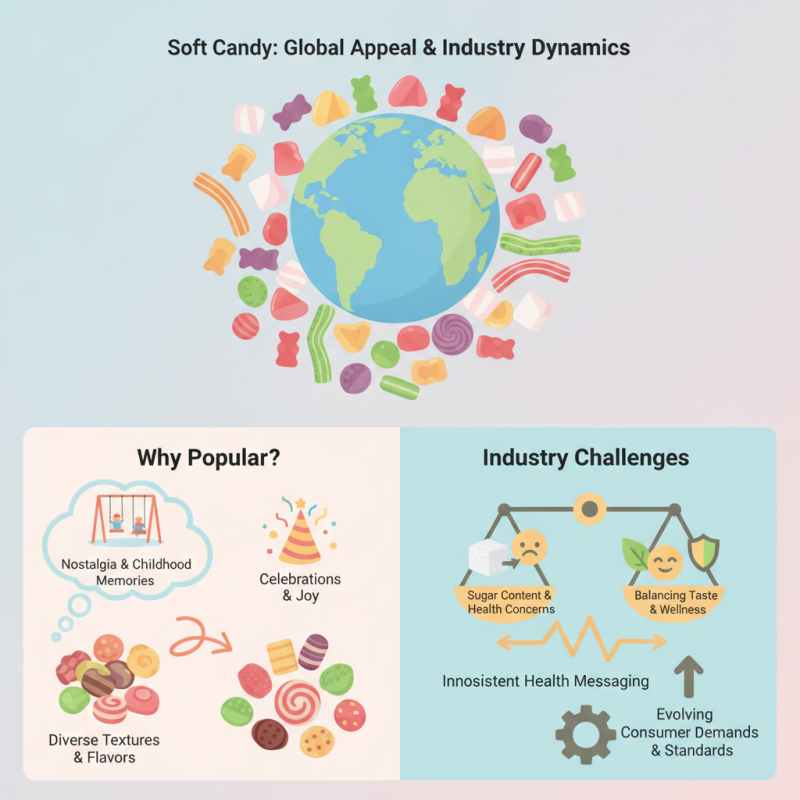
Have you ever noticed how Soft Candy has somehow stolen the hearts of folks all around the world? It’s pretty amazing. I mean, even experts like Dr. Emily Thompson, who’s a well-known food scientist, talk about how special it is. She once said that "Soft Candy offers a taste of nostalgia," which really hits home, right? It’s like taking a trip down memory lane, reminding us of childhood and those fun celebrations.
And let’s talk about the variety — the textures and flavors are pretty much endless. You’ve got fruity gummies that burst with flavor, and then there are the creamy marshmallows that just melt in your mouth. Each piece can bring a smile or even spark a quick chat about your favorites. The fact that Soft Candy is so popular across different markets? That’s honestly kinda fascinating.
Of course, it’s not all smooth sailing. There are some hurdles, like growing worries about how much sugar is in these treats and what that means for our health. That mixed message from different sources doesn’t exactly make things easier for the industry to grow. Finding that sweet spot — balancing all the yummy flavors with making it healthier — is gonna be key for Soft Candy’s future. It’s interesting to see how this evolves, especially with what consumers want and how industry standards keep shifting.
What is Soft Candy and Its Key Characteristics
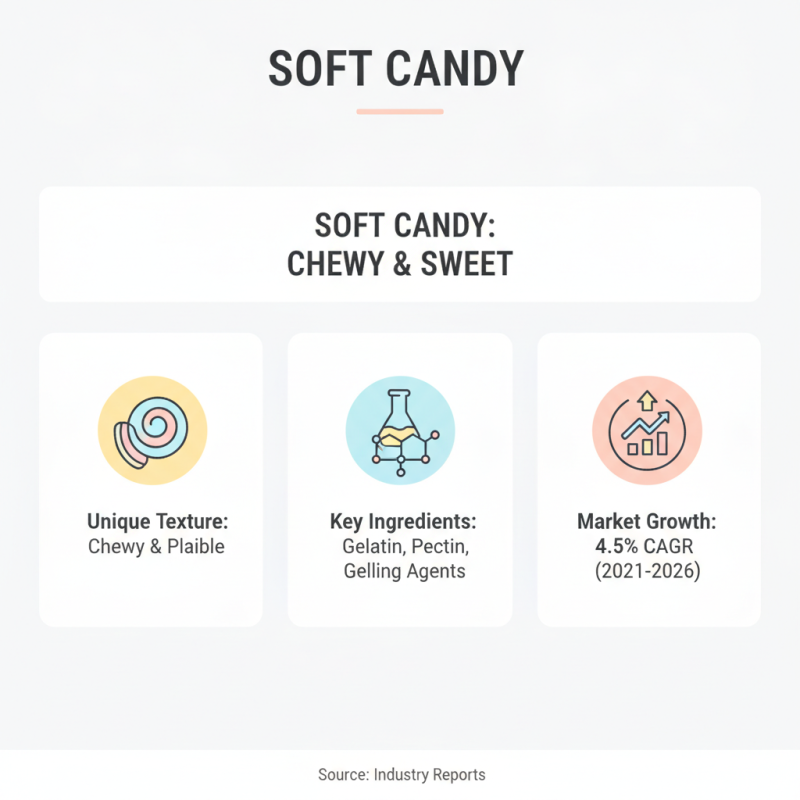
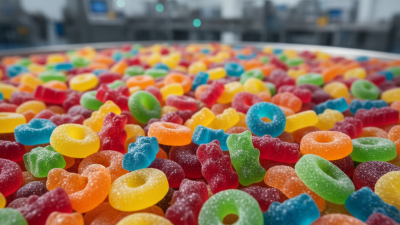
Soft candy is a delightful treat enjoyed by many around the world. Its unique texture and flavor profiles make it stand out among other confections. Key characteristics of soft candy include a chewy, pliable texture that is often achieved through the use of gelatin, pectin, or other gelling agents. According to industry reports, the global soft candy market is projected to grow significantly, with a compound annual growth rate (CAGR) of around 4.5% between 2021 and 2026. This increase in popularity can be attributed to evolving consumer preferences for sweets that provide a pleasurable eating experience.
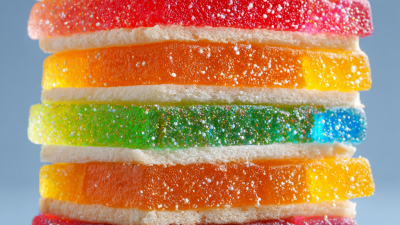
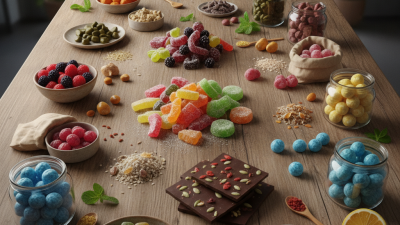
Another defining feature of soft candy is its wide variety of flavors and forms. From fruity to creamy, these candies cater to diverse taste preferences. Some popular forms include gummies and marshmallows, both of which highlight the versatility of soft candy. Recent surveys indicate that consumers are drawn to soft candy due to its enjoyable texture and flavor authenticity. For example, Nezha Soft Candy has garnered attention with its innovative flavors. The demand for unique and high-quality soft candies reflects a growing willingness to explore new taste experiences.
While soft candy is beloved by many, it's essential to consider health factors such as sugar content. Consumption of sugar-laden candies can lead to health issues, including dental problems and obesity. A responsible approach to enjoying soft candy, along with moderation, can enhance the experience without the undesirable effects. The ongoing interest in soft candy suggests a need for brands to focus on healthier alternatives while maintaining flavor and texture.
The Global Market Demand for Soft Candy in 2023
Soft candy, often known for its chewy texture and vibrant flavors, has gained immense popularity worldwide. In 2023, the global market demand for this delightful treat is projected to reach impressive heights. According to industry reports, the soft candy sector is expected to grow at a compound annual growth rate (CAGR) of approximately 5%. Factors driving this surge include product innovation and consumer preference for healthier alternatives to traditional sweets.
Interestingly, emerging markets show a notable appetite for soft candy. Regions like Asia-Pacific are witnessing increasing consumption rates, fueled by youthful demographics and changing lifestyles. The rising trend of gifting soft candies during festive seasons also contributes to its popularity. However, some consumers express concerns about high sugar content. This has led manufacturers to explore reduced-sugar formulations.
Tips for healthier consumption include opting for candy varieties made with natural ingredients. Always check labels for added sugars and artificial flavors. Engage with local brands focusing on quality. By making informed choices, consumers can enjoy Candy Jelly Candy while considering their health.
Popular Soft Candy Varieties Across Different Cultures
Soft candy has gained immense popularity around the globe, thanks to its diverse range of flavors and textures. Varieties like gummies, marshmallows, and taffy are beloved in many cultures. The global soft candy market was valued at over $24 billion in 2022, with steady growth expected. This reflects a robust demand for unique and innovative soft confections.
In the United States, gummy bears reign supreme. Meanwhile, in Japan, mochi, a chewy rice cake, offers a cultural twist. France offers pâte de fruit, a fruit-based soft candy that showcases the country's pastry skills. According to a recent market analysis, Asian countries contribute significantly to the growth of soft candy sales, highlighting the influence of regional candies in shaping global trends.
Tips for soft candy lovers: Explore international varieties! You might find surprising flavors that resonate with you. When choosing candies, check the ingredients for any allergens. This is essential for a safe indulgence. Enjoying soft candy in moderation can prevent overindulgence, allowing you to savor the experience while managing your health.
Ingredients That Make Soft Candy Unique and Tasty
Soft candy enjoys immense popularity, largely due to its unique ingredients that create delightful textures and flavors. One defining aspect of soft candy is its high moisture content. This feature sets it apart from traditional candies, offering a chewy and succulent experience. According to a recent market study, the soft candy segment has seen a growth rate of approximately 4.5% annually, reflecting consumers' increasing preference for these treats.
Essential components often include sugars, corn syrup, and gelatins, which contribute to the soft and elastic consistency. Natural flavors and colors are also prevalent, enhancing visual appeal and taste. For instance, fruit-based soft candies attract health-conscious consumers, reinforcing the trend towards more vibrant, flavorful options. Intriguingly, the incorporation of gummy elements is observed in many variants, especially in Gum Candy, where elasticity meets sweetness.
Despite their popularity, there are areas for improvement. The rising concern over sugar consumption necessitates the development of healthier alternatives. Consumers are becoming more discerning, seeking candy options with reduced sugar or organic ingredients. Industry experts emphasize the importance of reformulating products to cater to changing dietary preferences. This evolution can not only retain existing customers but also attract a new, health-focused demographic.
What is Soft Candy and Why is it So Popular Worldwide?
| Ingredient |
Flavor Profile |
Texture |
Popularity Regions |
| Corn Syrup |
Sweet |
Chewy |
North America, Asia |
| Gelatin |
Varied |
Soft and Gummy |
Europe, South America |
| Sugar |
Sweet, Fruity |
Creamy |
Global |
| Fruit Extracts |
Tropical, Berry |
Soft and Juicy |
Asia, North America |
| Food Colorings |
N/A |
N/A |
Global |
Health Impacts of Soft Candy Consumption and Nutritional Insights
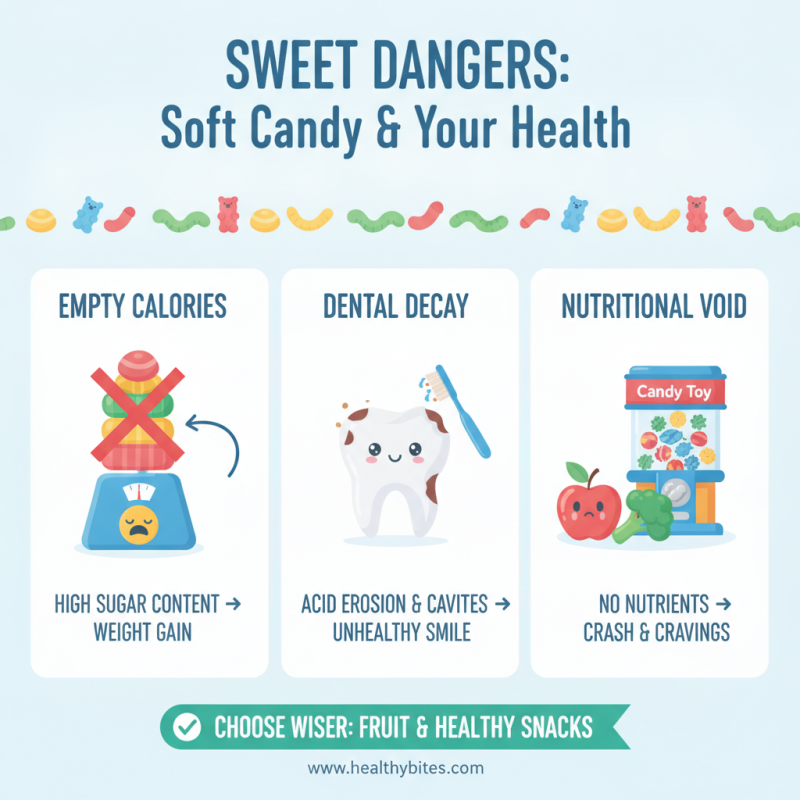
Soft candy captivates many with its delightful texture and vibrant flavors. However, its popularity brings questions about health. Soft candies often contain high levels of sugar. Regularly consuming sugary treats can lead to weight gain and dental issues. Many individuals overlook these risks while enjoying a colorful "Candy Toy" during celebrations.
Moreover, soft candy lacks crucial nutrients. While it may provide a quick energy boost, this effect is short-lived. Overindulgence can lead to spikes in blood sugar levels. These fluctuations can affect mood and energy, leaving consumers feeling tired later. The enjoyment of soft candy should be balanced with awareness of its nutritional shortcomings.
Moderation is key. A small piece can satisfy a sweet craving without the accompanying guilt. It’s essential to consider healthier alternatives. Seeking candy options with lower sugar content can be beneficial. Engaging in mindful eating of these treats can promote better health choices, offering a more sustainable sweet experience.
Trends Influencing Soft Candy Innovations in the Industry
The soft candy market is continually evolving. Current trends greatly influence its innovations. One major trend is health-consciousness. Consumers want treats with less sugar. Many companies explore natural sweeteners and organic ingredients. These changes reflect a growing desire for healthier options without sacrificing taste.
Another trend is personalization. People enjoy customized flavors and textures. This approach allows manufacturers to cater to unique preferences. Seasonal flavors and limited editions are increasingly popular. They create excitement and encourage experimentation. However, finding the balance between innovation and tradition can be challenging. Some consumers may resist drastic changes in classic flavors.
Sustainability is also a key driver. Eco-friendly packaging resonates with today's shoppers. Brands are seeking ways to minimize their environmental impact. Initiatives like reducing plastic use gain traction. Nevertheless, ensuring affordability while being sustainable requires careful planning. The complexities of these trends shape the future of soft candy.
Trends Influencing Soft Candy Innovations in the Industry
How Marketing Strategies Shape Soft Candy Popularity Worldwide
Soft candy has taken the global market by storm, largely due to innovative marketing strategies. A report by Grand View Research revealed that the global gummy candy market is expected to reach $10.6 billion by 2025. This explosive growth can be traced back to targeted advertising campaigns and social media presence. Brands utilize platforms like Instagram and TikTok to engage younger audiences. Vibrant visuals and unique flavors attract attention and encourage sharing.
Some marketing strategies involve influencer partnerships. These collaborations enable brands to reach specific consumer segments effectively. Research shows that 70% of teenagers feel more inclined to purchase products endorsed by influencers. However, this reliance can backfire. Negative reviews or influencer controversies may tarnish brand image. Companies must adapt quickly and address emerging challenges.
Additionally, seasonal promotions are a key tactic. Soft candy often sees spikes in sales during holidays. According to the National Confectioners Association, nearly 80% of consumers buy candy for Easter. Yet, such trends can also be unpredictable. Over-reliance on holiday sales risks a lull in other months. Brands need a balanced approach to sustain popularity throughout the year.
Exploring Market Trends: The Rising Popularity of Sweet Creative 3D Doll Shaped Cotton Candy in Confectionery Exhibitions
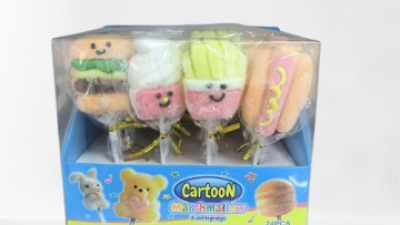
The confectionery industry is experiencing an exciting transformation as market trends shift towards more innovative and visually appealing products. One of the standout trends is the rising popularity of sweet creative 3D doll-shaped cotton candy, particularly at confectionery exhibitions. This captivating treat, often showcased in vibrant lollipop-style packaging, encapsulates the perfect fusion of aesthetics and taste, attracting consumers of all ages. Industry reports, including those from the National Confectioners Association, indicate that 3D-shaped candies have seen a remarkable increase in sales, demonstrating a growing preference for fun and imaginative sweets over traditional options.
Among these whimsical delights, 3D doll-shaped marshmallows particularly shine as they come in beautifully designed display boxes that make them irresistible. Each marshmallow lollipop, presented in an individual transparent wrapping, not only enhances the visual appeal but also allows for convenient retail display at supermarket counters. The sweet, melt-in-your-mouth experience these marshmallows provide resonates well with children, making them an ideal gift option and a repeat purchase favorite. According to market analysis from Mintel, the confectionery sector is witnessing a 15% year-over-year growth in novelty candy categories, further fueled by consumer demand for unique and sharable sweet experiences.
As confectionery exhibitions continue to spotlight such products, their widespread appeal is reflected in both retail and bulk sales. This paves the way for manufacturers to innovate and experiment with flavors and shapes, catering to the evolving tastes of modern consumers. The combination of delightful designs and delicious flavors positions 3D doll-shaped marshmallows as a prominent player in the confectionery landscape, ready to capture the hearts and palates of candy lovers globally.
FAQS
: Soft candy is a chewy treat with unique flavors enjoyed globally.
It has a pliable texture, often made with gelatin or pectin, and comes in various flavors.
Consumer preferences for enjoyable textures and flavors drive the growth of soft candy.
Popular forms include gummies and marshmallows, showcasing its versatility.
Yes, high sugar content can lead to dental issues and obesity if consumed excessively.
Moderation is essential. Look for healthier options made with natural ingredients.
Product innovation and a shift towards healthier alternatives are notable trends.
Yes, the Asia-Pacific region shows increasing consumption, particularly among younger people.
Always check labels for added sugars and artificial flavors to make informed choices.
Soft candy is often gifted during festive seasons, boosting overall demand and visibility.
Conclusion
Soft candy, characterized by its chewy texture and a wide array of flavors, has gained immense popularity globally. Its unique ingredients contribute to its delightful taste, making it a favorite among consumers of all ages. In 2023, the global market for soft candy continues to expand, driven by diverse cultural varieties and innovative trends in the confectionery industry.
The demand for soft candy is not only influenced by taste but also by shifting consumer preferences towards healthier options. While these treats can be enjoyed in moderation, it’s essential to understand their health impacts and nutritional aspects. Marketing strategies play a pivotal role in shaping the popularity of soft candy, engaging consumers with creative campaigns that highlight its enjoyment and versatility in various cultures.